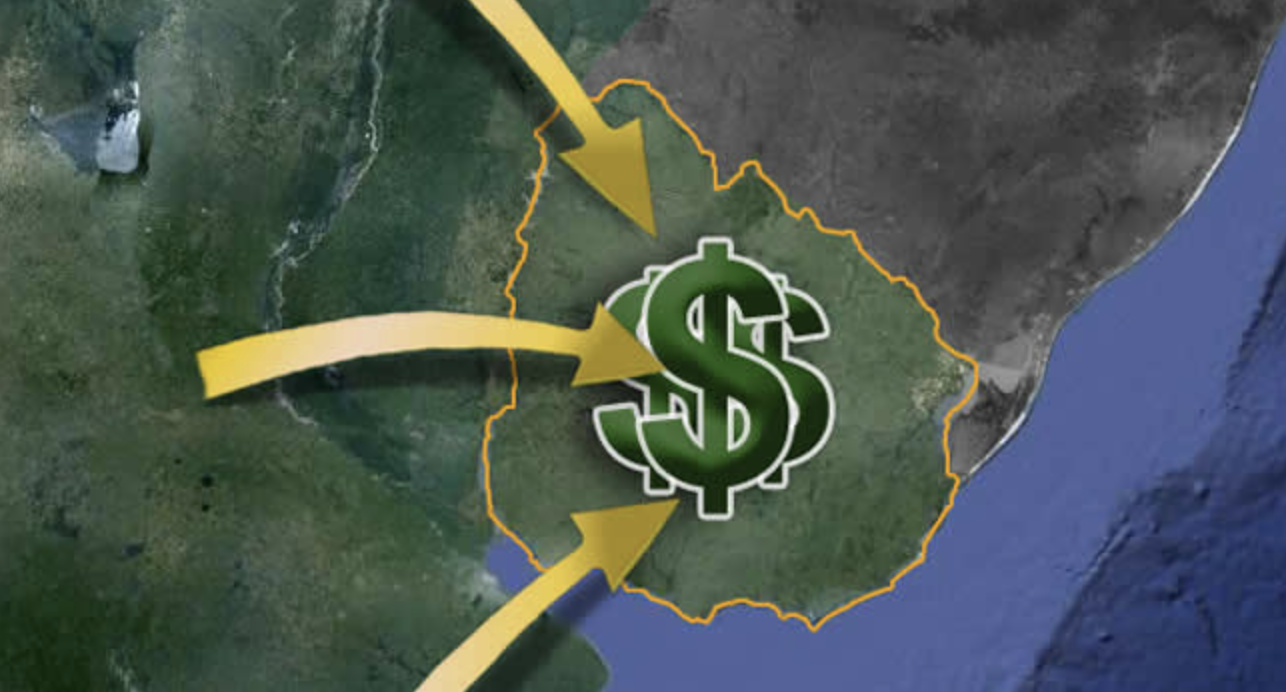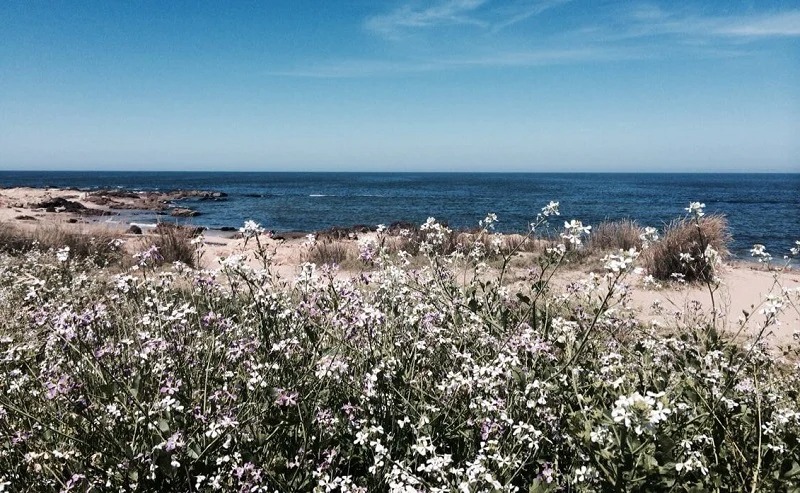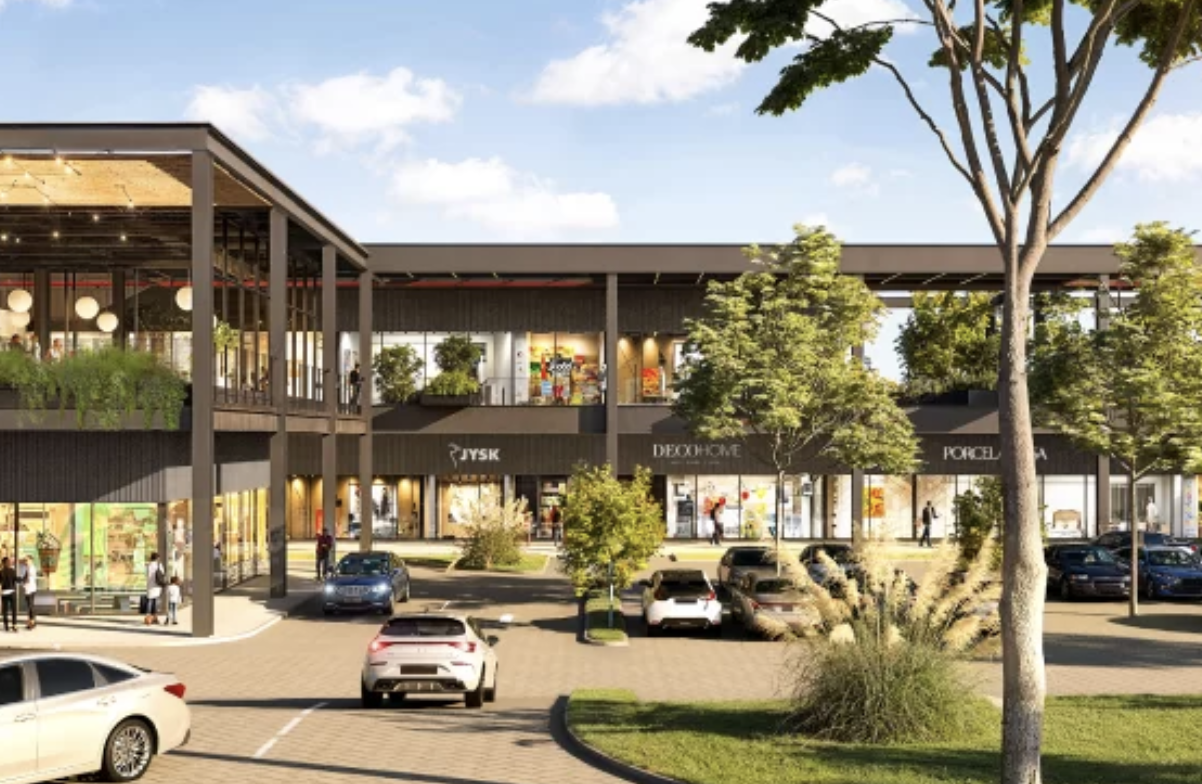
Tourism in Uruguay is changing. According to official data from the Ministry of Tourism, last summer was notable not for the number of visitors but for what each visitor spent and the length of their stay. In this context, Punta del Este was the most visited destination in Uruguay.
Now, just a few months before the start of the 2026-2027 season, projections from the Center for Economic Research (Cinve) anticipate a recovery in tourist arrivals to the region. Below, we review what the figures say and what they mean for those who invest in properties in Punta del Este.
Summer 2025-2026 in numbers
Between December 2025 and February 2026, 1.301.913 tourists visited Uruguay, spending a total of US$928 million. This represents a 3% increase in foreign exchange earnings compared to the previous season, according to the Ministry of Tourism.
The most significant information lies in the indicators per person:
-
Average spending per tourist: US$ 713, 11,9% more than in the previous season.
-
Average stay: 8 nights, 8,7% more than the previous summer.
-
Main destination: Punta del Este, followed by Montevideo, Colonia and the rest of the coast.
The ministry itself summarized it this way: the growth in foreign exchange earnings was not only explained by the number of visitors, but also by a higher level of consumption and a longer duration of stays.
In other words, fewer people arrived than in previous years, but those who did come spent more and stayed longer. For a destination like Punta del Este, which focuses on high-end tourism, this is a positive trend.
The first quarter confirms the trend, with a nuance for Punta del Este.
Data from the first quarter of 2026 (January to March), published by Ámbito based on official figures, follows the same trend. Uruguay received 1,182 million visitors, 13,6% fewer than the 1,368 million received during the same period in 2025. However, foreign exchange earnings reached US$843 million, falling by only 5,4%, because each visitor spent more.
-
Average spending per person rose 9,5%, from US$651,30 to US$713,20.
-
Daily spending increased from US$90,50 to US$92.
-
Argentine visitors numbered 835.237 (down 17,6%), but their spending per person increased by 14,3%, to US$668,30. According to the media outlet, the profile of the Argentine tourist who crossed the Río de la Plata that season had greater purchasing power than in previous years.
It must be said clearly: in that quarter, Punta del Este saw a 12,9% decrease in visitors and a 10,8% decrease in total spending compared to the same period of the previous year, while Montevideo experienced a 31,1% increase in visitors. In other words, the resort remained the top summer destination, but it felt the impact of the decline in Argentine tourism. Therefore, the recovery projections for the upcoming season, detailed below, are particularly relevant for Punta del Este.
Cruise ships also contribute
In addition to tourists arriving by land and air, cruise ship passengers also visit Uruguay. The 2025-2026 cruise season (November to March) brought 132 ships and 242.086 passengers to Uruguay, who spent US$13 million, according to data from the Ministry of Tourism published by Ámbito in July 2026. Punta del Este received 34 calls and 52.445 passengers, representing 21,5% of the country's total.
Where do the tourists come from?
Argentina remains by far the main market. In the summer of 2025-2026, 900.385 visitors came from that country, almost 69% of the total. Following behind were:
-
Brazil: 155.931 visitors.
-
Europe: 72.354 visitors.
-
North America: 53.383 visitors.
-
Chile: 27.856 visitors.
-
Paraguay: 25.453 visitors.
The composition explains why the Punta del Este season depends so much on what happens in Argentina and Brazil: exchange rates, relative prices and the economic situation of both countries directly influence the number of visitors each summer.
A weaker 2026 in terms of volume, with signs of recovery
Data from the first half of 2026 was not good regarding the number of Argentine visitors. According to Cinve, arrivals from Argentina fell by 14% during the summer compared to the previous season, and for the first half of the year (January to June) the decrease was 20% compared to the same period in 2025. Brazilian visitors, on the other hand, remained almost stable, with a decrease of only 2% during the first half of the year.
However, the Cinve report, published by Infobae on September 23, 2026, indicates that the stagnation is beginning to reverse. For the second half of 2026, the center estimates that the number of Argentinian visitors will be only 3% lower than the same period in 2025, and that between September and December it will already exceed last year's levels. In the case of Brazil, it projects almost 17% more visitors in the second half of the year.
What to expect for the 2026-2027 season
Cinve describes the outlook for next summer as good. Its projections for the period December 2026 – February 2027 are as follows:
-
Around 1,2 million regional tourists.
-
Argentinians: +10% compared to the previous season.
-
Brazilians: +7%.
-
Non-resident Uruguayans: +4%.
The growth in Argentine visitors is expected to be concentrated in the second half of summer: 3% more in December, 10% more in January, and 17% more in February. For Brazil, the strongest month is projected to be January 2027, with an estimated 24% increase compared to January 2026.
If these projections are met, Uruguay would combine two positive factors: the recovery in the number of visitors and spending per person that was already on the rise.
More connectivity for the next season
The transportation options are also improving. Brazilian airline Azul announced three direct routes to Punta del Este for the 2026-2027 summer season: a new route from Belo Horizonte and the return of routes from Porto Alegre and Campinas (Viracopos). Each route will have two weekly flights with 136-seat Embraer E195-E2 aircraft, operating between mid-December and mid-February.
More direct flights mean fewer layovers and transfers for Brazilian tourists, one of the markets that, according to Cinve, would grow the most in January.
What does it mean for those who invest in Punta del Este?
For the real estate market, tourism data translates into concrete signals:
-
Longer stays, longer rentals. An average of 8 nights per tourist favors short-term rentals by the week or fortnight, the usual format in Punta del Este during January and February.
-
A visitor who spends more. The 11,9% increase in average spending shows that tourists arriving in Uruguay have purchasing power, something that is also reflected in the demand for well-located properties with amenities.
-
Argentine tourists with higher purchasing power. Although fewer Argentinians arrived, each one spent 14,3% more in the first quarter. This profile is most associated with the high-end segment of Punta del Este, both in seasonal rentals and property purchases.
-
Recovery of the two main markets. If the increases in Argentine and Brazilian tourists projected by Cinve are confirmed, occupancy during the high season could improve compared to this year.
-
New high-end hotel offerings. Projects like the SLS Punta del Este, scheduled to open in early 2029 and operated by Hotel Equities, add international options to the destination and include rental programs for owners.
It's important to remember that these are projections, which may change depending on the economic performance of Argentina and Brazil. Even so, the data indicates a positive direction for the destination.
For those considering a purchase, these projections are a useful tool for estimating occupancy and profitability for a property intended for short-term rentals. It is advisable to compare them with the official data published by the Ministry of Tourism at the end of each quarter and with the occupancy experience of the specific area where the investment is planned, as the performance of the peninsula, La Barra, Manantiales, or José Ignacio may differ.
Punta del Este, the leading destination
Punta del Este ended last summer as Uruguay's most visited destination, a season in which tourists spent more and stayed longer. With recovery projections for the region and more direct flights from Brazil, the 2026-2027 season is shaping up to be a promising one for tourism and for those who own or are looking to buy property in the resort town.